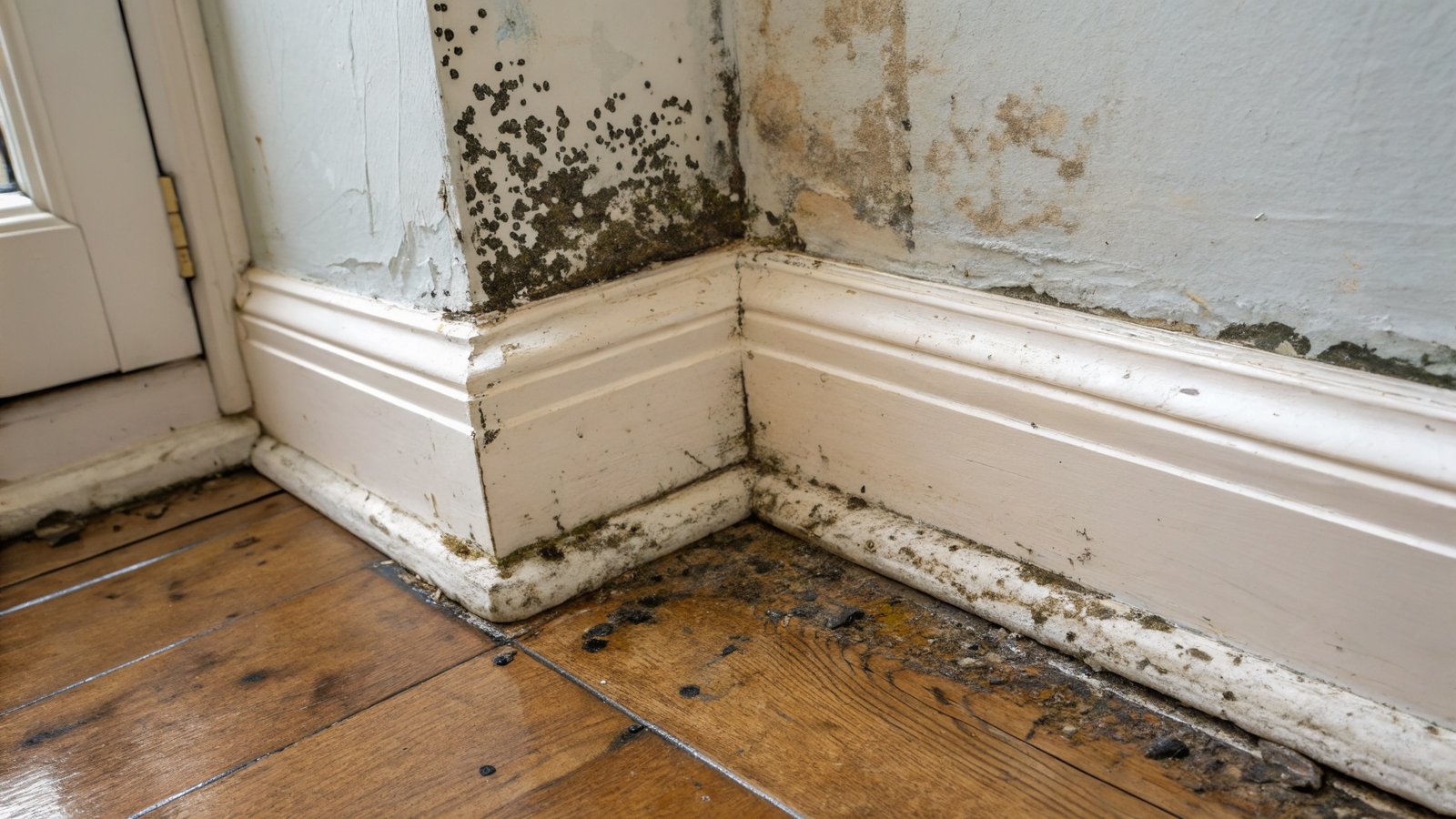
Damp is one of the most common issues our qualified surveyors discover during property inspections across Cardiff and South Wales. Wales' wet climate, combined with older building materials and construction methods, creates perfect conditions for various types of damp to develop in residential properties.
Understanding damp problems is crucial for property buyers, homeowners, and property investors. This comprehensive guide from our RICS qualified surveyors explains the different types of damp affecting Welsh homes, how to identify them, and the remedial work needed to fix these issues.
Why Damp is Common in Welsh Properties
Cardiff and South Wales experience high rainfall throughout the year. This persistent moisture, combined with prevailing westerly winds, means Welsh properties face constant exposure to damp conditions. Our building surveys regularly identify damp issues, particularly in older properties built before modern damp proofing became standard.
Several factors contribute to damp problems in Welsh homes:
- High annual rainfall across South Wales
- Older properties lacking adequate damp proof courses
- Solid wall construction without cavity barriers
- Poor maintenance of gutters and external walls
- Inadequate ventilation in modern, sealed homes
- Coastal exposure in areas like Penarth
As experienced building surveyors specialising in South Wales properties, we encounter damp issues in properties across all price ranges and ages. Even new build homes can suffer from condensation damp if ventilation isn't adequate.
The Three Main Types of Damp
Our qualified surveyors categorize damp into three main types, each with distinct causes, appearances, and solutions. Understanding these differences helps property buyers know what they're dealing with and the remedial work required.
1. Rising Damp
Rising damp occurs when ground moisture rises up through walls via capillary action. This is particularly common in older Cardiff properties built before 1875, when damp proof courses (DPCs) weren't mandatory.
How to Identify Rising Damp:
During property inspections, our qualified surveyors look for these telltale signs of rising damp:
- Damp patches on internal walls up to 1 meter from ground level
- Tide marks where moisture has risen and then evaporated
- Crumbling or damaged plaster at the base of walls
- Peeling wallpaper or paint in affected areas
- White salt deposits (efflorescence) on wall surfaces
- Rotting skirting boards and timber floors
- Musty, damp smell in affected rooms
In our building surveys of Victorian and Edwardian properties in Cardiff, Canton, and Roath, rising damp is one of the most frequently identified issues. These terraced houses often have inadequate or failed damp proof courses.
Causes of Rising Damp:
Our experienced building surveyors identify several reasons for rising damp in Welsh properties:
- No damp proof course: Many pre-1875 properties never had DPCs installed
- Failed DPC: Original slate or bitumen DPCs can fail over time
- Bridged DPC: External ground levels higher than the DPC allow moisture to bypass it
- Damaged DPC: Building work or settling can damage the DPC
- No cavity wall: Solid wall construction is more prone to rising damp
Fixing Rising Damp:
The remedial work for rising damp depends on the cause. Our professional surveys recommend appropriate solutions:
- Chemical DPC injection: Injecting a chemical barrier into the wall (£500-£1,500 per wall)
- Physical DPC installation: Inserting a physical barrier by cutting into the wall (£2,000-£4,000)
- Lowering external ground levels: If the ground bridges the existing DPC
- Replastering: Using water-resistant plaster on affected walls
- Improving ventilation: To help walls dry out
Property buyers in Cardiff should factor these surveyor costs into their budget if our homebuyer report identifies rising damp. The good news is that rising damp, once properly treated, is usually permanently fixed.
2. Penetrating Damp
Penetrating damp occurs when water from outside penetrates through walls, roofs, or around windows. Unlike rising damp which moves upward, penetrating damp can appear anywhere on walls and ceilings.
Identifying Penetrating Damp:
Our qualified surveyors in Cardiff look for these signs during property inspection:
- Damp patches that appear or worsen after rain
- Staining on walls, particularly external walls
- Damp patches around windows and doors
- Water stains on ceilings (roof penetration)
- Mould growth on affected walls
- Damaged or stained internal plaster
In our experience surveying properties across South Wales, penetrating damp is especially common in properties with:
- Damaged or blocked gutters and downpipes
- Cracked or porous external rendering
- Failed pointing in brick or stone walls
- Roof defects (missing tiles, faulty flashings)
- Poorly maintained chimneys
- Problems around windows and doors
Causes of Penetrating Damp:
As RICS qualified surveyors, we identify various causes during building surveys:
- Poor external maintenance: The most common cause of penetrating damp
- Damaged gutters: Allowing rainwater to cascade down walls
- Roof problems: Missing tiles, damaged valleys, failed flashings
- Defective rendering: Cracks allowing water penetration
- Failed pointing: Especially in exposed locations like Penarth
- Window and door issues: Poor seals or lack of drip details
- Chimney defects: Particularly in unused chimneys
Treating Penetrating Damp:
The good news about penetrating damp is that it's usually straightforward to fix. Our professional survey reports recommend specific remedial work:
- Gutter cleaning and repair: Often the simplest fix (£200-£500)
- Repointing brickwork: Restoring mortar joints (£50-£100 per m²)
- Rendering repair: Patching or replacing damaged render (£500-£2,000)
- Roof repairs: Fixing tiles, flashings, or valleys (varies widely)
- Window/door resealing: Improving weatherproofing
- External wall treatment: Water-repellent coatings if appropriate
Many Cardiff homebuyers use our survey reports to negotiate price reductions to cover these repair costs. Property investors particularly value this information when assessing residential valuations.
3. Condensation Damp
Condensation is the most common form of damp in modern properties. It occurs when warm, moist air meets cold surfaces, causing water vapor to condense into liquid water. This is increasingly problematic in well-sealed modern homes with inadequate ventilation.
Recognizing Condensation:
Our qualified surveyors identify condensation through these signs:
- Water droplets on windows, especially in the morning
- Mould growth, typically black mould
- Musty smell in affected rooms
- Damp appearing on cold surfaces (external walls, window reveals)
- Problems worse in winter
- Issues in poorly ventilated rooms (bathrooms, kitchens)
Condensation damp is different from rising and penetrating damp because it's generated inside the property. Our building surveys for new build properties in Cardiff Bay and other developments often highlight condensation risks.
What Causes Condensation?
Modern living generates lots of moisture. A family of four produces about 10 liters of water vapor daily through breathing, cooking, bathing, and washing. Our RICS qualified surveyors explain the main causes:
- Poor ventilation: Sealed modern windows without trickle vents
- Inadequate heating: Cold surfaces promote condensation
- Lifestyle factors: Drying clothes indoors, long showers
- Lack of extraction: No extractor fans in bathrooms/kitchens
- Blocked air vents: Preventing natural ventilation
- Single glazing: Creates cold surfaces
Solving Condensation Problems:
Condensation is usually the easiest type of damp to fix, though it requires ongoing management. Our property consultancy services recommend:
- Improve ventilation: Open windows, use trickle vents (free)
- Install extraction fans: In bathrooms and kitchens (£100-£300 each)
- Use dehumidifiers: To remove excess moisture (£100-£400)
- Improve heating: Maintain consistent temperatures
- Upgrade glazing: Install double glazing (£3,000-£8,000)
- Insulate walls: Raise surface temperatures (£4,000-£8,000)
- Lifestyle changes: Cover pans, dry clothes outside
First-time buyers purchasing Cardiff properties often need our advice on managing condensation. It's not a structural defect, but it can seriously affect your quality of life if not addressed.
Damp in Specific Cardiff Property Types
Different property types in Cardiff have characteristic damp problems. Our team of qualified surveyors sees patterns based on age, construction, and location.
Victorian Terraced Houses (Pre-1900)
These popular Cardiff properties, common in Canton, Cathays, and Roath, typically suffer from:
- Rising damp: Failed or absent DPCs
- Penetrating damp: Through solid walls, especially north-facing
- Chimney damp: In unused flues
- Cellar damp: Below ground rooms
Our Level 3 building surveys are ideal for Victorian properties, providing detailed analysis of damp issues and building materials used.
Modern Properties (Post-1980)
Newer Cardiff properties face different challenges:
- Condensation: From sealed construction
- Cavity wall issues: If insulation is poorly installed
- Roof penetration: Around poorly fitted rooflights
Our RICS Level 2 homebuyer surveys identify these issues in modern residential properties.
Coastal Properties (Penarth, Barry)
Properties near the coast face additional challenges:
- Wind-driven rain: Penetrating through exposed walls
- Salt damage: To building materials
- Accelerated deterioration: Of external protection
Our qualified surveyors in Cardiff understand these coastal-specific issues affecting property in Penarth and surrounding areas.
How Professional Surveys Identify Damp
When you book a property survey with Cardiff Surveyors, our RICS regulated professionals use various methods to detect and diagnose damp:
Visual Inspection
Our experienced surveyors spot telltale signs of damp during the property inspection. We examine:
- Wall surfaces for staining, efflorescence, and damage
- External walls for defects allowing water penetration
- Roofs, gutters, and drainage systems
- Areas prone to condensation
- Ventilation adequacy
Moisture Meters
We use electronic moisture meters to measure dampness in walls objectively. This helps distinguish between different types of damp and assess severity. However, moisture readings alone don't tell the whole story – that's why you need experienced experienced building surveyors to interpret the results.
Expert Analysis
Our qualified surveyors combine visual evidence, moisture readings, and understanding of building materials to diagnose damp accurately. We identify the type of damp, its cause, and recommend appropriate remedial work.
The Cost of Ignoring Damp
Property buyers sometimes consider accepting damp to negotiate a lower purchase price. While this can work, you need to understand the full implications. Our property consultancy services have seen homeowners face these issues:
- Health problems: Mould spores cause respiratory issues
- Structural damage: Damp rots timber and damages plaster
- Increased heating costs: Damp walls are harder to heat
- Property damage: To furnishings and belongings
- Devaluation: Damp significantly affects property values
- Mortgage issues: Lenders may refuse to lend on damp properties
Our professional survey reports help you understand the true cost of damp, including immediate remedial work and longer-term implications.
When to Seek Professional Help
If you're buying a property in Cardiff or South Wales, getting a survey from RICS qualified surveyors is essential. Our homebuyer reports and building surveys identify damp problems before you complete your property purchase.
For existing homeowners, contact experienced building surveyors if you notice:
- New damp patches appearing
- Worsening existing damp
- Musty smells
- Black mould growth
- Damaged plaster or paint
Our independent firm of qualified surveyors provides impartial advice on damp issues, helping you understand what's causing problems and the best solutions.
Damp Treatment: DIY vs Professional
Some damp issues are suitable for DIY treatment, while others require professional contractors. Our qualified surveyors advise on the appropriate approach.
DIY-Suitable Tasks:
- Improving ventilation
- Clearing gutters
- Minor pointing repairs
- Managing condensation through lifestyle changes
Professional Work Required:
- Installing damp proof courses
- Major structural repairs
- Extensive re-pointing or re-rendering
- Roof repairs and replacements
Always get quotes from several contractors for major remedial work. Our survey reports provide the information you need to get accurate quotes.
Conclusion: Protecting Your Property Investment
Damp is one of the most common issues affecting Welsh properties, but understanding the different types helps you address problems effectively. Whether you're a property buyer in Cardiff or a homeowner in South Wales, professional advice from RICS qualified surveyors is invaluable.
Our building surveys identify damp issues before they become expensive problems. We explain the type of damp, its cause, and the remedial work needed. This information helps you make informed decisions about your property purchase or plan necessary repairs to your home.
Don't let damp ruin your property investment. Contact our team of qualified surveyors for expert inspection and impartial advice on damp and all other property issues.
Concerned About Damp in Your Property?
Get professional damp assessment from RICS qualified surveyors. Our comprehensive surveys identify all types of damp and recommend solutions.
Book Your Survey Today