Cardiff's Victorian terraced houses form the backbone of the city's residential property stock. Built during Cardiff's industrial boom between 1837 and 1901, these period properties offer character, charm, and solid construction – but they also come with unique challenges that require expert assessment from qualified surveyors.
As experienced building surveyors who inspect Victorian properties across Cardiff daily, we understand the specific issues that affect these period homes. This comprehensive guide explains what to expect when surveying a Victorian property in Cardiff, common defects we encounter, and how to make an informed decision about your period property purchase.
Cardiff's Victorian Housing Stock
During the Victorian era, Cardiff transformed from a small market town into one of the world's busiest ports. The coal export trade brought rapid population growth, and thousands of terraced houses were built to house workers and their families.
Common Victorian Property Types in Cardiff
- Two-Up, Two-Down Terraces: Found in areas like Grangetown, Splott, and Adamsdown. These compact workers' cottages typically feature two rooms on each floor.
- Three-Storey Terraces: Popular in Roath, Cathays, and Canton. These larger properties often have bay windows and more decorative features.
- Victorian Villas: Semi-detached and detached properties in areas like Pen articlesycawdd and Llandaff. These higher-status homes feature more elaborate architectural details.
- Double-Fronted Properties: Wider properties with central hallways, common in Pontcanna and parts of Canton.
Victorian Construction Methods and Materials
Understanding how Victorian properties were built helps explain the issues we commonly find during surveys.
Solid Wall Construction
Victorian properties feature solid walls, typically 9 inches (one brick length) thick. Unlike modern cavity walls, these offer no insulation void and can be prone to damp penetration. The walls are usually:
- Built from local brick or stone
- Bonded with lime mortar rather than modern cement
- Finished internally with lime plaster
- Sometimes rendered externally
Timber Construction
Victorian properties use timber extensively:
- Floor Joists: Solid timber joists, typically 6-8 inches deep, supported on sleeper walls
- Roof Structure: Traditional cut roof with rafters and purlins, usually in good-quality pine or larch
- Suspended Ground Floors: Timber floors with ventilation provided by airbricks
- Windows and Doors: Original timber sash windows and paneled doors
Slate Roofs
Most Cardiff Victorian properties have Welsh slate roofs. These can last 100+ years but require maintenance. Original roofs may still be serviceable, while others may need replacement after 120-150 years of exposure to Welsh weather.
Common Issues in Victorian Cardiff Properties
Our qualified surveyors regularly identify specific defects in Victorian properties. Understanding these helps buyers make informed decisions.
1. Damp Problems
Damp is the most common issue in Victorian properties. We typically find:
- Rising Damp: Moisture rising through walls from the ground. Original properties had no damp-proof course (DPC), or physical DPCs may have failed. Look for tide marks, staining, and peeling wallpaper at low level.
- Penetrating Damp: Water penetrating through solid walls, especially on exposed elevations. Poor pointing, cracked render, or defective gutters often cause this.
- Condensation: Single-glazed windows and solid walls create cold surfaces prone to condensation. This can lead to mold growth in bathrooms and bedrooms.
2. Roof Issues
Victorian roofs require regular maintenance. Common problems include:
- Slipped or missing slates from weathering and nail corrosion
- Lead valley and flashing deterioration
- Rotten fascias and soffits from gutter overflow
- Inadequate or compressed loft insulation
- Chimney stack defects – pointing failure, cracked render, loose pots
3. Structural Movement
Victorian terraces can exhibit structural movement. Our surveyors look for:
- Cracks at junctions between main house and rear extensions
- Bulging or leaning walls, particularly gable ends
- Settlement cracks around openings
- Subsidence in areas with clay soils (see our subsidence guide)
4. Original Features and Alterations
Victorian properties often have a mix of original and replaced features:
- Windows: Original sash windows may be in poor condition with failed cords, rotten sills, and broken glass. Replacement UPVC windows may not suit the property's character and can cause different ventilation issues.
- Fireplaces: Many original fireplaces have been removed or blocked up. This can affect chimney ventilation and cause damp problems.
- Extensions: Rear extensions and loft conversions are common. Quality varies significantly, and proper Building Regulations approvals may be absent.
5. Electrical and Plumbing Systems
Aging services are a concern in period properties:
- Original or outdated electrical wiring requiring complete replacement
- Old lead or iron pipework needing renewal
- Inadequate heating systems or old gas installations
- Unvented hot water systems without proper controls
6. Under-Floor Ventilation
Victorian suspended timber floors require adequate ventilation to prevent rot. Blocked or inadequate airbricks can cause serious timber decay.
The Survey Process for Victorian Properties
Surveying Victorian properties requires specific expertise. Our approach includes:
Pre-Survey Research
Before inspecting, we research:
- Property's age and construction type
- Previous extensions or alterations
- Local soil conditions and subsidence risk
- Common issues in the specific Cardiff area
Detailed External Inspection
- Roof inspection using binoculars and, where possible, from adjoining properties
- Checking for structural movement – cracks, bulges, leaning
- Assessing damp-prone areas – below DPC level, around windows, at junctions
- Examining original features – windows, doors, decorative elements
- Evaluating drainage and guttering
Comprehensive Internal Assessment
- Using moisture meters to detect damp
- Testing floor level and stability
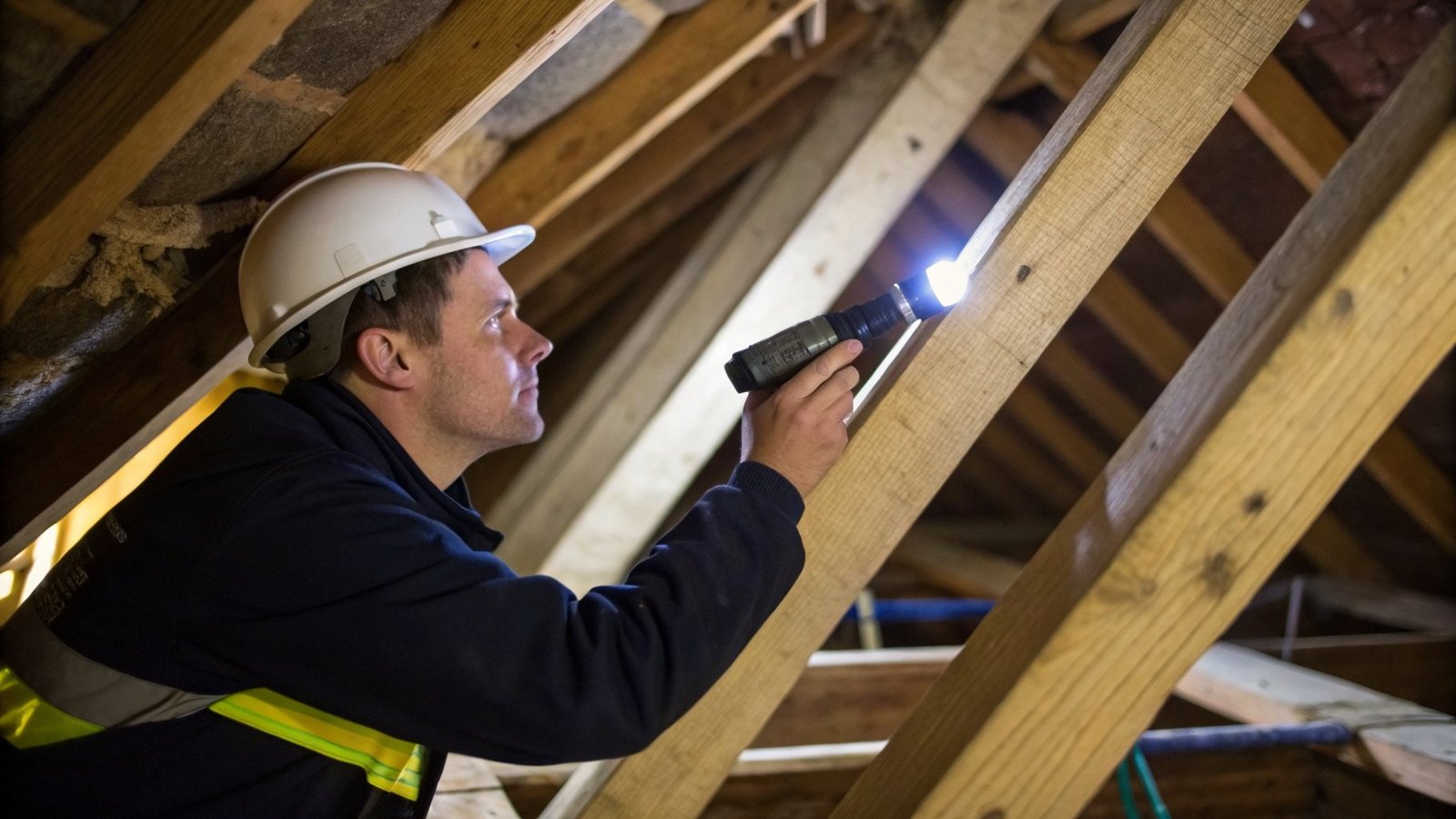
- Inspecting visible roof structure from loft spaces
- Checking timber floors for rot or beetle attack
- Assessing room sizes, layout, and functionality
- Evaluating services – electrical installations, heating systems, plumbing
Specialized Testing
For Victorian properties, we may recommend:
- Electrical installation condition reports (EICR)
- Timber surveys for suspected rot or beetle infestation
- Damp investigations including salt analysis
- Drain surveys via CCTV if defects are suspected
Victorian Property Maintenance Considerations
Period properties require ongoing maintenance. As qualified surveyors, we advise buyers to budget for:
Regular Maintenance Tasks
- Annual: Gutter cleaning, chimney inspection, checking for new cracks or movement
- Every 5 Years: External decoration, re-pointing if needed
- Every 10-15 Years: Major external redecoration, potential roof repairs
- Every 20-30 Years: Consideration of roof replacement, upgrading electrics and plumbing
Upgrade Opportunities
Victorian properties can be improved sympathetically:
- Insulation: Loft insulation is straightforward. Solid wall insulation (internal or external) improves energy efficiency.
- Heating: Modern combi boilers and radiators can be fitted sensitively
- Windows: Repairing original sash windows is often cost-effective and maintains character. If replacement is needed, high-quality wooden sashes are preferable to UPVC.
- Bathrooms and Kitchens: Modern facilities can be installed while respecting the property's period character
Specific Cardiff Victorian Areas
Different Cardiff neighborhoods have distinct Victorian property characteristics:
Canton and Pontcanna
Larger Victorian properties, often with bay windows and more decorative features. These areas attract families and professionals. Property values are higher, reflecting the desirability and often better maintenance.
Roath and Cathays
Dense Victorian terraces, many subdivided into flats for students or young professionals. Issues can include poor maintenance, inappropriate alterations, and overcrowding. However, many properties are being restored to single-family homes.
Grangetown and Riverside
Workers' cottages and terraces, typically smaller and more compact. These areas offer affordable entry into Victorian property ownership but may require more renovation work.
Splott and Adamsdown
Mixed Victorian stock, ranging from small terraces to larger properties. These areas are seeing regeneration and increasing property values.
Buying Advice for Victorian Properties
If you're considering buying a Victorian property in Cardiff, our qualified surveyors recommend:
1. Commission a Full Building Survey
Victorian properties always warrant a Level 3 building survey. The detailed inspection identifies defects that might not be apparent to an untrained eye.
2. Budget for Repairs and Upgrades
Expect to spend on maintenance and improvements. A realistic budget might be:
- Minor works (decoration, minor repairs): £5,000-£15,000
- Moderate works (rewiring, new heating, bathroom): £15,000-£40,000
- Major works (roof replacement, damp treatment, extension): £40,000-£100,000+
3. Check Planning and Conservation Status
- Many Victorian Cardiff properties are in Conservation Areas
- Some may be listed buildings
- These designations affect what changes you can make
- Check with Cardiff Council before purchasing if you plan significant alterations
4. Investigate Previous Work
- Ask for Building Regulations certificates for extensions and loft conversions
- Request electrical and gas safety certificates
- Check guarantees for damp-proofing, timber treatment, or roofing work
5. Consider Running Costs
Victorian properties are less energy-efficient than modern homes:
- Solid walls mean higher heating costs
- Single glazing increases heat loss
- Larger rooms require more heating
- Council Tax is often band B or C for terraces
Renovation vs. Original Features
Many buyers face the dilemma of modernizing vs. preserving period features. Our advice:
Worth Preserving
- Original floorboards (can be sanded and sealed)
- Fireplaces and surrounds (valuable character features)
- Coving and ceiling roses (distinctive period detailing)
- Original doors and architraves (can be restored)
- Sash windows (repair is usually cost-effective)
Sensible to Update
- Electrical wiring (safety critical)
- Plumbing and heating (efficiency and reliability)
- Bathrooms and kitchens (while respecting character)
- Insulation (significant comfort and cost savings)
Mortgage and Insurance Considerations
Victorian properties can present challenges:
Mortgage Surveys
Lenders may require specific investigations if issues are identified:
- Structural engineer's report for movement or subsidence
- Specialist damp reports
- Electrical condition reports
Insurance
Period properties may cost more to insure:
- Higher rebuild costs due to period features
- Increased risk of claims for issues like subsidence
- Need for specialist period property insurers if significantly altered
The Value of Local Expertise
Surveying Victorian properties in Cardiff requires specific local knowledge:
- Understanding of Cardiff's geology and subsidence risks
- Familiarity with construction methods used in different periods and areas
- Knowledge of common defects specific to Cardiff Victorian stock
- Awareness of local property values and repair costs
- Understanding of Cardiff Council's planning policies for period properties
Our team of qualified surveyors has inspected hundreds of Victorian properties across Cardiff. This experience helps us identify issues specific to period homes and provide practical, cost-effective advice.
Conclusion
Victorian properties in Cardiff offer character, space, and solid construction that's hard to find in modern homes. However, they also present unique challenges that require careful assessment before purchase.
A comprehensive building survey from experienced surveyors is essential for any Victorian property purchase. We identify defects, explain their significance, and provide realistic cost estimates for repairs. This information protects your investment and helps you negotiate a fair price.
Whether you're buying your first Victorian terrace or moving to a larger period property, professional survey advice gives you the confidence to make an informed decision. Victorian homes can provide wonderful family accommodation for generations – with the right survey, you'll know exactly what you're buying.
Planning to Buy a Victorian Property in Cardiff?
Get expert survey advice from qualified surveyors who understand period properties.
Book Your Victorian Property Survey